





Before you leave...
Take 20% off your first order
20% off
Enter the code below at checkout to get 20% off your first order

Discover summer reading lists for all ages & interests!
Find Your Next Read
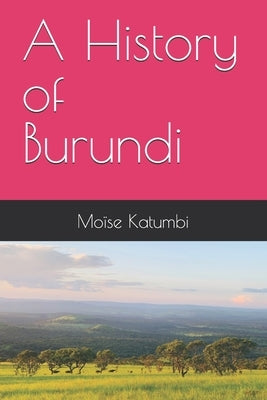
From the sacred drums of an ancient kingdom to the turbulent politics of the 21st century, this book chronicles the complex and often tragic history of Burundi, the small nation known as the "Heart of Africa." It explores the pre-colonial society where the lines between Hutu, Tutsi, and Twa were fluid, and a sophisticated monarchy ruled over the land of a thousand hills. The arrival of European colonizers marked a catastrophic turning point, as German and then Belgian administrators imposed rigid racial theories on the population, cementing ethnic divisions that would later explode with devastating consequences.
The narrative follows Burundi's hopeful but brief moment of independence, led by the visionary Prince Louis Rwagasore, whose unifying message was tragically silenced by his assassination just before the nation was born. This single act plunged the country into decades of turmoil, leading to the collapse of the monarchy and the rise of a series of repressive, Tutsi-dominated military regimes. The book provides a clear-eyed account of the cycles of violence that followed, including the systematic 1972 genocide of educated Hutus and the descent into a brutal, decade-long civil war after the assassination of the first democratically elected Hutu president in 1993.
Out of the ashes of this conflict came a monumental effort to forge a lasting peace through the Arusha Accords, a landmark power-sharing agreement that sought to engineer a new political reality. The story traces the difficult post-war transition, the rise of the former Hutu rebel group CNDD-FDD to power, and the subsequent consolidation of its rule. It delves deep into the 2015 crisis, when President Pierre Nkurunziza's controversial third-term bid shattered the fragile peace, unleashing a new wave of repression, targeted killings, and a massive refugee crisis that turned the nation into an international pariah.
This history offers a comprehensive look at the forces that have shaped modern Burundi. It examines the nation's struggle for economic prosperity, its dependency on coffee, and the immense challenges posed by population density and land scarcity. It also explores the resilience of Burundian culture, its international relations within the volatile Great Lakes region, and the enduring challenges of reconciliation and justice. Looking at the current era, the book assesses the prospects for a nation at a crossroads, grappling with the legacy of its violent past as it struggles to build a stable and prosperous future.
Thanks for subscribing!
This email has been registered!
Take 20% off your first order
Enter the code below at checkout to get 20% off your first order