




Before you leave...
Take 20% off your first order
20% off
Enter the code below at checkout to get 20% off your first order

Discover summer reading lists for all ages & interests!
Find Your Next Read
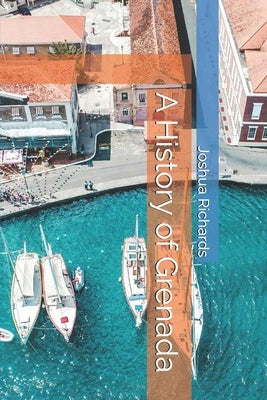
From its earliest indigenous inhabitants to its emergence as a modern nation, this book tells the sweeping story of Grenada, the "Isle of Spice." The narrative begins with the Kalinago people who fiercely defended their homeland, the arrival of Columbus, and the brutal centuries of European colonization that followed. It details the struggle between the French and British for control of the island, a conflict that established a profitable but brutal plantation economy based on sugar, cocoa, and the forced labor of enslaved Africans. This foundational period forged a society of deep-seated resistance, setting the stage for the dramatic struggles for freedom that would define the nation's character.
Out of the crucible of slavery, a powerful spirit of defiance emerged, culminating in the near-successful uprising of Julien Fédon in 1795. This history explores the monumental changes of the 19th century: the abolition of slavery in 1834, the difficult transition through "apprenticeship," and the rise of a resilient peasant society. It chronicles the economic shift away from sugar to the spices that gave the island its name, and the arrival of new peoples-indentured laborers from India and Portugal-who added new threads to Grenada's rich cultural tapestry. The book charts the island's economic evolution, powered by the collective action of farmers who formed their own cooperatives to take control of their destiny.
The turbulent 20th century saw Grenada's long march toward self-determination. The narrative captures the labor unrest of the 1950s and the rise of Eric Gairy, the charismatic and controversial leader who would lead the nation to independence in 1974. It unflinchingly examines the political turmoil and authoritarianism of the Gairy years, which bred a new, radical opposition in the form of the New Jewel Movement. The story dives deep into the dramatic events of March 13, 1979, when Maurice Bishop led a nearly bloodless revolution, ushering in a four-and-a-half-year experiment in radical social and economic transformation that captured the world's attention.
This comprehensive history culminates in the revolution's tragic implosion. It details the catastrophic internal power struggle of October 1983, the execution of Maurice Bishop and his colleagues, and the subsequent U.S.-led invasion, Operation Urgent Fury, that thrust Grenada onto the front lines of the Cold War. The final chapters trace the island's journey of reconstruction: the restoration of democracy, the economic pivot to tourism, and the devastating impact of Hurricane Ivan in 2004. It is a story of how a small island nation has navigated immense global forces, from colonialism and revolution to climate change and globalization, to forge a vibrant and unique identity in the 21st century.
Thanks for subscribing!
This email has been registered!
Take 20% off your first order
Enter the code below at checkout to get 20% off your first order