





Before you leave...
Take 20% off your first order
20% off
Enter the code below at checkout to get 20% off your first order

Discover summer reading lists for all ages & interests!
Find Your Next Read
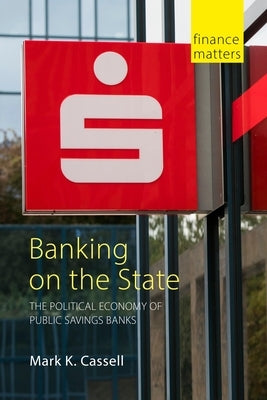
Germany's Sparkassen are publicly-held savings banks. No other advanced industrial economy relies as heavily on such small, publicly-owned financial institutions to fuel its economy. They are a puzzle because these relatively small institutions drive one of the biggest and most successful economies in the world.
In theory, their diminutive size should hinder their ability to function in an environment where they compete with the capital and know-how of major international banks. However, between 2006 and 2009, new loans made by Sparkassen increased by 46 per cent. Even during the global financial crisis, when other banks drastically reduced lending, Sparkassen continued to provide liquidity and lend to start-up firms. How have they managed to survive the economic turmoil and global pressures of the last few decades? What has enabled these small institutions to stay at the heart of the German economy? In a period of neoliberal "too-big-to-fail" thinking, how have these relics of an ordoliberal past managed to flourish? In the post-crisis era, Mark Cassell explores the unique entity that is the German public banking system and the lessons it offers to banking systems worldwide.Thanks for subscribing!
This email has been registered!
Take 20% off your first order
Enter the code below at checkout to get 20% off your first order