





Before you leave...
Take 20% off your first order
20% off
Enter the code below at checkout to get 20% off your first order

Discover summer reading lists for all ages & interests!
Find Your Next Read
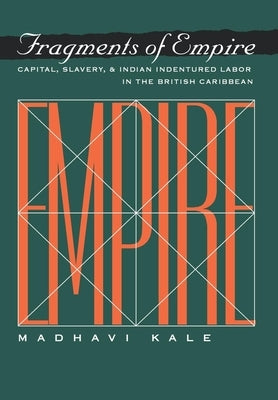
When Great Britain abolished slavery in 1833, sugar planters in the Caribbean found themselves facing the prospect of paying working wages to their former slaves. Cheaper labor existed elsewhere in the empire, however, and plantation owners, along with the home and colonial governments, quickly began importing the first of what would eventually be hundreds of thousands of indentured laborers from India.
Madhavi Kale draws extensively on the archival materials from the period and argues that imperial administrators sanctioned and authorized distinctly biased accounts of postemancipation labor conditions and participated in devaluing and excluding alternative accounts of slavery. As she does this she highlights the ways in which historians, by relying on these biased sources, have perpetuated the acceptance of a privileged perspective on imperial British history.Thanks for subscribing!
This email has been registered!
Take 20% off your first order
Enter the code below at checkout to get 20% off your first order