





Before you leave...
Take 20% off your first order
20% off
Enter the code below at checkout to get 20% off your first order

Discover summer reading lists for all ages & interests!
Find Your Next Read
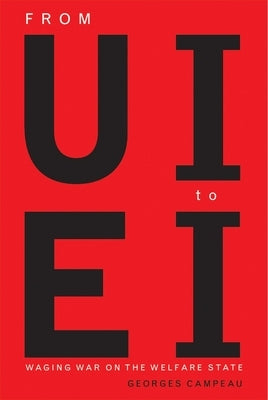
Established in 1940 in response to the Great Depression, the original goal of Canada's system of unemployment insurance was to ensure the protection of income to the unemployed. Joblessness was viewed as a social problem and the jobless as its unfortunate victims. If governments could not create the right conditions for full employment, they were obligated to compensate people who could not find work. While unemployment insurance expanded over several decades to the benefit of the rights of the unemployed, the mid-1970s saw the first stirrings of a counterattack as the federal government's Keynesian strategy came under siege. Neo-liberalists denounced unemployment insurance and other aspects of the welfare state as inflationary and unproductive. Employment was increasingly thought to be a personal responsibility and the handling of the unemployed was to reflect a free-market approach. This regressive movement culminated in the 1990s counter-reforms, heralding a major policy shift. The number of unemployed with access to benefits was halved during that time.
Georges Campeau spent many years defending the rights of the jobless as an activist lawyer. He is currently a professor of social law in the Faculté de science politique et de droit at the Université du Québec à Montréal. Richard Howard has been translating books from the French, chiefly in the social sciences, for over three decades.
Thanks for subscribing!
This email has been registered!
Take 20% off your first order
Enter the code below at checkout to get 20% off your first order