





Before you leave...
Take 20% off your first order
20% off
Enter the code below at checkout to get 20% off your first order

Discover summer reading lists for all ages & interests!
Find Your Next Read
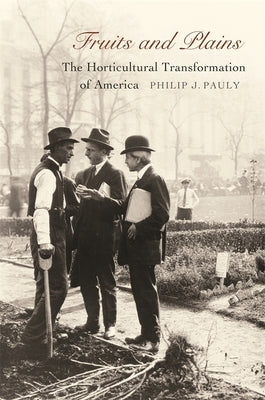
The engineering of plants has a long history on this continent. Fields, forests, orchards, and prairies are the result of repeated campaigns by amateurs, tradesmen, and scientists to introduce desirable plants, both American and foreign, while preventing growth of alien riff-raff. These horticulturists coaxed plants along in new environments and, through grafting and hybridizing, created new varieties. Over the last 250 years, their activities transformed the American landscape.
"Horticulture" may bring to mind white-glove garden clubs and genteel lectures about growing better roses. But Philip J. Pauly wants us to think of horticulturalists as pioneer "biotechnologists," hacking their plants to create a landscape that reflects their ambitions and ideals. Those standards have shaped the look of suburban neighborhoods, city parks, and the "native" produce available in our supermarkets. In telling the histories of Concord grapes and Japanese cherry trees, the problem of the prairie and the war on the Medfly, Pauly hopes to provide a new understanding of not only how horticulture shaped the vegetation around us, but how it influenced our experiences of the native, the naturalized, and the alien--and how better to manage the landscapes around us.Thanks for subscribing!
This email has been registered!
Take 20% off your first order
Enter the code below at checkout to get 20% off your first order