





Before you leave...
Take 20% off your first order
20% off
Enter the code below at checkout to get 20% off your first order

Discover summer reading lists for all ages & interests!
Find Your Next Read
This title includes a number of Open Access chapters.
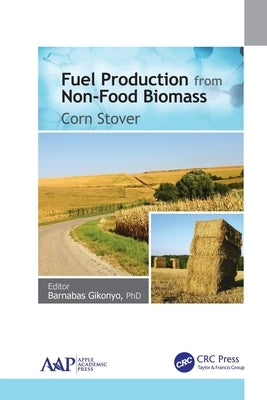
The practice of converting corn to ethanol is controversial, with debates currently being raged in both public policy and science. While biofuels from corn have important implications in alleviating some of the global energy crisis, critics argue that it takes away from vital agricultural products needed to feed the world's growing population. The current volume maintains there is a third way, a method of producing biofuel that only uses biomass that is left behind after all agricultural and nutritional products have been harvested from corn. This biomass is referred to as corn stover.
The book serves as an important introduction to this method of producing biofuels from agricultural waste. Edited by a professor from the State University of New York, Geneseo, this reference is important not only for research scientists, but for students and public policy makers who wish to learn more about this alternative method of producing ethanol from corn.
The sections found in Fuel Production from Non-Food Biomass: Corn Stover describe the following topics:
Although controversy still exists about the use of corn stover--with some critics saying that it will cause food shortages, particularly for developing nations--the research in this book focuses on using corn's already existing, non-food biomass and argues that food and biofuel could potentially be produced from the same fields.
Barnabas Gikonyo graduated from Southern Illinois University, Carbondale, Illinois (2007), with a PhD in organic and materials chemistry. He currently teaches organic and general chemistry classes at the State University of New York Geneseo, along with corresponding laboratories and the oversight of general chemistry labs. His research interests range from the application of various biocompatible, polymeric materials as "biomaterial bridging surfaces" for the repair of spinal cord injuries, to the use of osteoconductive cements for the repair of critical sized bone defects/fractures. Currently, he is studying the development of alternative, non-food biofuels.
Thanks for subscribing!
This email has been registered!
Take 20% off your first order
Enter the code below at checkout to get 20% off your first order