
![Spider-Men: Worlds Collide [Marvel Premier Collection] by Bendis, Brian Michael](http://www.whiterainbookhouse.com/cdn/shop/files/img_2d0d0a87-9d07-4ffd-84f2-c4b241596800_533x.jpg?v=1762317878)




Before you leave...
Take 20% off your first order
20% off
Enter the code below at checkout to get 20% off your first order

Discover summer reading lists for all ages & interests!
Find Your Next Read
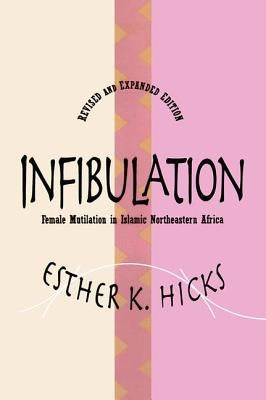
Infibulation is the most extreme form of female circumcision. It plays an important role in the Islamic societies of northeastern Africa. Until now, the social significance and function of this practice has been poorly understood. This has been no less true of Western commentators who have condemned the practice than of relevant governments that have attempted to curb it. In Infibulation, Esther K. Hicks analyzes female circumcision as a cultural trait embedded in a historically traditional milieu and shows why it cannot be treated in isolation as a single issue destined for elimination. In its brief history it has been recognized as a pioneering piece of research with enormous consequences.
As Hicks demonstrates, much of the popular resistance to official efforts to eradicate infibulation has actually come from women. Circumcision constitutes a rite of passage for female children. It initiates them into womanhood and makes them eligible for marriage. Often, this is the only positive status position available to women in traditional Islamic societies. Hicks points out that although female circumcision predates the introduction of Islam into the region, the religious culture has successfully codified infibulation into the structural nexus of marriage, family, and social honor at all socioeconomic levels.
Thanks for subscribing!
This email has been registered!
Take 20% off your first order
Enter the code below at checkout to get 20% off your first order