




Before you leave...
Take 20% off your first order
20% off
Enter the code below at checkout to get 20% off your first order

Discover summer reading lists for all ages & interests!
Find Your Next Read
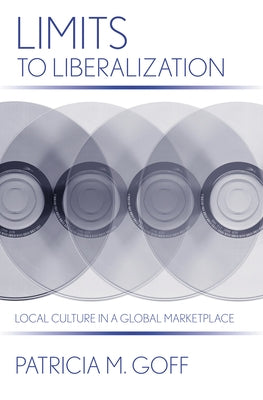
The so-called culture industries--film, television and radio broadcasting, periodical and book publishing, video and sound recording--are noteworthy exceptions to the rhetorical commitment of Western countries to free trade as a major goal. These exceptions threatened to derail such high-profile negotiations as NAFTA and its predecessor, the Canada-US Free Trade Agreement, as well as the Uruguay Round of the GATT.
Conventional wisdom did not foresee trouble from this source, because these established industries are not commercial national champions, nor are they particularly large providers of jobs. As Patricia M. Goff shows, the standard trade literature considers the monetary value but doesn't recognize the symbolic importance of cultural production. In Limits to Liberalization, she traces the interplay between the commercial and the cultural. Governments that want to expand free trade may simultaneously resist liberalization in the culture industries (and elsewhere, including agriculture and health care).
Goff traces the rationale for "cultural protectionism" in the trade policies of Canada, France, and the European Union. The result is a larger understanding of the forces that shape international trade agreements and a book that speaks to current theoretical concerns about national identity as it plays out in politics and international relations.
Patricia M. Goff is Associate Professor of Political Science at Wilfrid Laurier University. She is the coeditor of Irrelevant or Indispensable: The United Nations in the 21st Century and Identity and Global Politics: Theoretical and Empirical Elaborations.
Thanks for subscribing!
This email has been registered!
Take 20% off your first order
Enter the code below at checkout to get 20% off your first order