





Before you leave...
Take 20% off your first order
20% off
Enter the code below at checkout to get 20% off your first order

Discover summer reading lists for all ages & interests!
Find Your Next Read
QSL. QRM. QRZ.
DX. 73.
"Ham."
You use these terms on the amateur bands.
Do you know their origins?
Before they became part of everyday amateur radio practice, Q codes were standardized for international radiotelegraph procedure, maritime coordination, and spectrum discipline. Numerical telegraph shorthand such as 73 evolved along a separate path. Even the word "ham" began as criticism before it became a badge of operator identity.
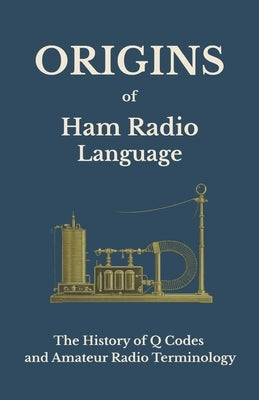
Origins of Ham Radio Language: The History of Q Codes and Amateur Radio Terminology examines how selected Q codes, telegraph abbreviations, and operating jargon moved from institutional regulation into voluntary ham radio culture.
This is not an exhaustive catalog of every term ever used. It is a focused study of the Q codes and operating vocabulary that shaped major technical, regulatory, and cultural developments in amateur radio history.
Inside:
- The international standardization of the Q-code system
- Why some Q codes endured while others disappeared
- The telegraph roots of 73 and related number shorthand
- The transformation of "ham" from insult to identity
- The rise of DX terminology, contest language, and traffic procedures
- How amateur radio terminology reflects structural change in radio
If you speak this language, this is its history.
A concise historical reference for serious operators, collectors, and students of amateur radio. A professional addition to any well-equipped ham shack library.
Thanks for subscribing!
This email has been registered!
Take 20% off your first order
Enter the code below at checkout to get 20% off your first order