




Before you leave...
Take 20% off your first order
20% off
Enter the code below at checkout to get 20% off your first order

Discover summer reading lists for all ages & interests!
Find Your Next Read
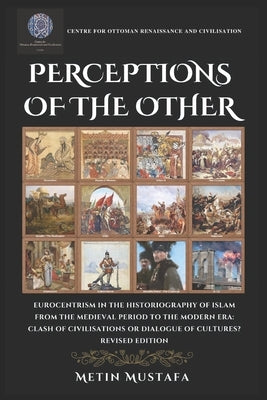
The study of civilisations has been a pursuit undertaken by numerous historians. To what extent can one civilisation influence the development of another? Can cultural influences be so potent that they can reshape the perceptions of neighbouring civilisations? How has the examination of the'Other', specifically Islam, contributed to the advancement of Europe and Western civilisation? In the tenth century, Western Christendom was geographically confined. However, to its south existed a vibrant civilisation that would profoundly shape its historical trajectory, both geographically and intellectually. This civilisation was Islam. Initially, Western Christendom regarded its theological, intellectual, and military counterpart with scrutiny, a perspective that persisted into the Renaissance and the rise of early modern Europe. Over the centuries, European perceptions of the Mediterranean Orient (which includes the former Ottoman territories and Iran) have evolved, leading to the emergence of Orientalism. This concept fostered ideas such as the dichotomy of Islam versus the West and the notion of Islam as a looming threat following the disintegration of communism in the former Soviet Union, thereby planting the seeds of prejudice and skewed perceptions against Islam.
Thanks for subscribing!
This email has been registered!
Take 20% off your first order
Enter the code below at checkout to get 20% off your first order