





Before you leave...
Take 20% off your first order
20% off
Enter the code below at checkout to get 20% off your first order

Discover summer reading lists for all ages & interests!
Find Your Next Read
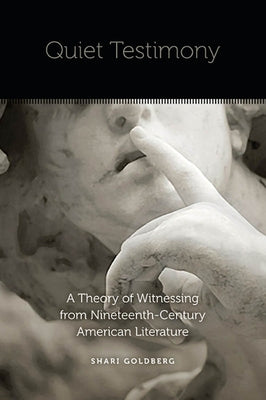
The nineteenth century was a time of extraordinary attunement to the unspoken, the elusively present, and the subtly haunting. Quiet Testimony finds in such attunement a valuable rethinking of what it means to encounter the truth. It argues that four key writers--Emerson, Douglass, Melville, and Henry James--open up the domain of the witness by articulating quietude's claim on the clamoring world.
The premise of quiet testimony responds to urgent questions in critical theory and human rights. Emerson is brought into conversation with Levinas, and Douglass is considered alongside Agamben. Yet the book is steeped in the intellectual climate of the nineteenth century, in which speech and meaning might exceed the bounds of the recognized human subject. In this context, Melville's characters could read the weather, and James's could spend an evening with dead companions. By following the path by which ostensibly unremarkable entities come to voice, Quiet Testimony suggests new configurations for ethics, politics, and the literary.Thanks for subscribing!
This email has been registered!
Take 20% off your first order
Enter the code below at checkout to get 20% off your first order