




Before you leave...
Take 20% off your first order
20% off
Enter the code below at checkout to get 20% off your first order

Discover summer reading lists for all ages & interests!
Find Your Next Read
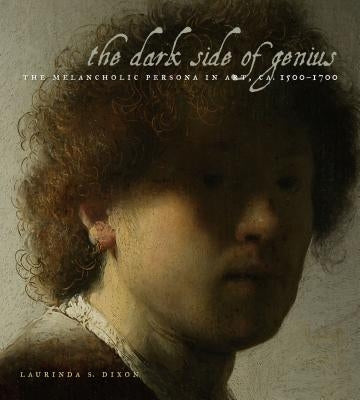
In The Dark Side of Genius, Laurinda Dixon examines "melancholia" as a philosophical, medical, and social phenomenon in early modern art. Once considered to have a physical and psychic disorder, the melancholic combined positive aspects of genius and breeding with the negative qualities of depression and obsession. By focusing on four exemplary archetypes--the hermit, lover, scholar, and artist--this study reveals that, despite advances in art and science, the idea of the dispirited intellectual continues to function metaphorically as a locus for society's fears and tensions.
The Dark Side of Genius uniquely identifies allusions to melancholia in works of art that have never before been interpreted in this way. It is also the first book to integrate visual imagery, music, and literature within the social contexts inhabited by the melancholic personality. By labeling themselves as melancholic, artists created and defined a new elite identity; their self-worth did not depend on noble blood or material wealth, but rather on talent and intellect. By manipulating stylistic elements and iconography, artists from Dürer to Rembrandt appealed to an early modern audience whose gaze was trained to discern the invisible internal self by means of external appearances and allusions. Today the melancholic persona, crafted in response to the alienating and depersonalizing forces of the modern world, persists as an embodiment of withdrawn, introverted genius.
Laurinda S. Dixon is Professor of Art History in the Department of Art and Music Histories at Syracuse University.
Thanks for subscribing!
This email has been registered!
Take 20% off your first order
Enter the code below at checkout to get 20% off your first order