





Before you leave...
Take 20% off your first order
20% off
Enter the code below at checkout to get 20% off your first order

Discover summer reading lists for all ages & interests!
Find Your Next Read
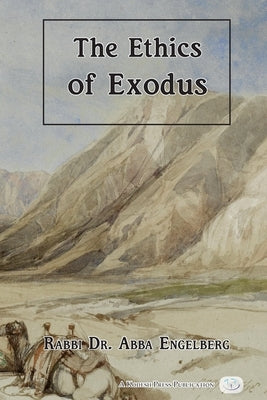
Discover Moral and Spiritual Wisdom in the Story of Exodus
In The Ethics of Exodus, Rabbi Dr. Abba Engelberg unlocks the ethical and spiritual dimensions of the Exodus story, offering profound insights into leadership, morality, and the human struggle for redemption. Each weekly portion is explored through traditional commentaries and modern perspectives, delivering practical lessons for contemporary life.
Ethical Questions for the Book of ExodusShemot: How does Moses' choice to intervene in the suffering of a fellow Israelite, despite his privileged position in Pharaoh's palace, challenge us to act courageously against injustice in our own lives?
Va'era: How does Pharaoh's refusal to heed Moses and Aaron, even as his people suffer through the plagues, reflect the ethical dangers of pride and stubbornness in leadership?
Bo: Is it ethically defensible for God to limit Pharaoh's free will, even as a response to his wickedness, and what does this teach us about the balance between justice and divine intervention?
Beshallach: Why do the Israelites, despite witnessing miraculous events like the splitting of the Red Sea, struggle with gratitude and faith?
Yitro: What does Jethro's suggestion to delegate responsibilities to others teach about the ethics of leadership, avoiding burnout, and empowering others in community service?
Mishpatim: How do the Torah's civil laws, such as those protecting servants and the vulnerable, challenge us to create a society grounded in fairness, compassion, and justice?
Terumah: What can the Israelites' voluntary contributions to the Tabernacle teach us about the ethical significance of generosity and the role of communal effort in achieving spiritual goals?
Tetzaveh: Why is Moses' name absent from this portion, and how does this omission highlight the ethical importance of humility and selflessness in leadership?
Ki Tissa: How does Aaron's participation in creating the golden calf reflect the ethical complexities of leadership under pressure, and what can we learn from his actions about accountability and repentance?
Vayakhel: Why were women especially active in donating to the Tabernacle, and what does this reveal about the ethical importance of inclusion and initiative in communal projects?
Pekudei: How does the meticulous accounting of resources in the construction of the Tabernacle emphasize the ethical value of transparency and integrity in leadership?
Sources Used Include:
Rabbi Dr. Abba Engelberg combines rigorous academic methodology with deep reverence for sacred texts. His works are recognized for their clarity, accessibility, and ability to engage readers of all backgrounds. As a teacher and lecturer, he has inspired countless students to approach the Torah as both a spiritual guide and a source of practical wisdom.
Thanks for subscribing!
This email has been registered!
Take 20% off your first order
Enter the code below at checkout to get 20% off your first order