




Before you leave...
Take 20% off your first order
20% off
Enter the code below at checkout to get 20% off your first order

Discover summer reading lists for all ages & interests!
Find Your Next Read
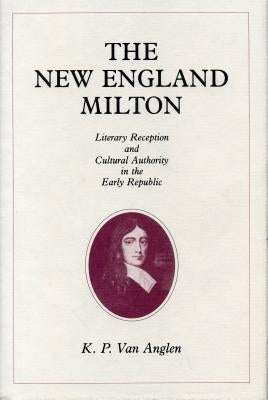
The New England Milton concentrates on the poet's place in the writings of the Unitarians and the Transcendentalists, especially Emerson, Thoreau, William Ellery Channing, Jones Very, Margaret Fuller, and Theodore Parker, and demonstrates that his reception by both groups was a function of their response as members of the New England elite to older and broader sociopolitical tensions in Yankee culture as it underwent the process of modernization. For Milton and his writings (particularly Paradise Lost) were themselves early manifestations of the continuing crisis of authority that later afflicted the dominant class and professions in Boston; and so, the Unitarian Milton, like the Milton of Emerson's lectures or Thoreau's Walden, quite naturally became the vehicle for literary attempts by these authors to resolve the ideological contradictions they had inherited from the Puritan past.
K. P. Van Anglen is Lecturer on History and Literature and Keeper of the F. O. Matthiessen Collection, Harvard University. He is the editor of the Translations volume of The Writings of Henry D. Thoreau (1986), and a contributor to the forthcoming Excursions volume in that series.
Thanks for subscribing!
This email has been registered!
Take 20% off your first order
Enter the code below at checkout to get 20% off your first order