





Before you leave...
Take 20% off your first order
20% off
Enter the code below at checkout to get 20% off your first order

Discover summer reading lists for all ages & interests!
Find Your Next Read
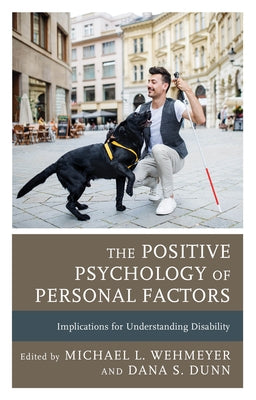
Historically, interventions designed to impact the lives of disabled people were predicated upon deficits-based models of disability. This began to change with the introduction of World Health Organization (WHO) frameworks, particularly the International Classification of Function (ICF), that emphasized that disability could only be understood in the context of interactions among health, environmental factors, and personal factors and by examining the impact of such factors on a person's activities and participation. The ICF identified personal factors as among the elements of a social-ecological model of disability but did not provide an extensive taxonomy of what constitutes such factors. The Positive Psychology of Personal Factors examines personal factors that come from the field of positive psychology and, as such, to begin to identify and build strengths-based approaches to promoting the full participation, dignity, and well-being of disabled people.
Michael L. Wehmeyer is Ross and Marianna Beach Distinguished Professor at the University of Kansas.
Dana S. Dunn is professor of psychology at Moravian University.
Thanks for subscribing!
This email has been registered!
Take 20% off your first order
Enter the code below at checkout to get 20% off your first order