




Before you leave...
Take 20% off your first order
20% off
Enter the code below at checkout to get 20% off your first order

Discover summer reading lists for all ages & interests!
Find Your Next Read
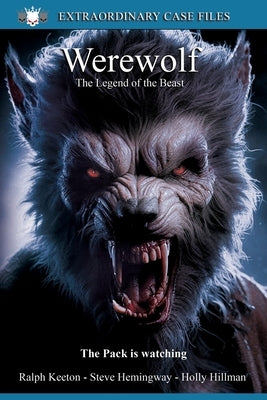
For centuries, the legend of the werewolf has prowled the edges of human imagination, weaving a dark tapestry of folklore and fear. Werewolves, also known as lycanthropes, are creatures cursed or blessed with the ability to transform into a wolf-or a wolf-human hybrid-under the light of the full moon. These transformations are often described as involuntary, triggered by ancient curses, bites from other werewolves, or the phases of the moon, making the afflicted a prisoner of their predatory instincts.
The myth of the werewolf has its roots in ancient cultures, with stories of men transforming into wolves appearing in Greek, Norse, and Native American lore. The Greeks spoke of Lycaon, cursed by Zeus to roam as a wolf for his crimes, while the Norse recounted tales of warriors donning wolf pelts to channel their feral fury in battle. In medieval Europe, werewolves became the embodiment of fear, linked to witchcraft, heresy, and the supernatural.
Modern depictions of werewolves have evolved, finding their place in literature, film, and pop culture. From terrifying beasts in horror to tragic figures wrestling with their dual nature, werewolves remain a compelling symbol of humanity's struggle with its primal instincts and the thin line separating man from beast.
Thanks for subscribing!
This email has been registered!
Take 20% off your first order
Enter the code below at checkout to get 20% off your first order